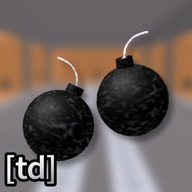
Mastering Timebomb Duels: Your Ultimate Guide on How to Get Better and Dominate the Arena
Ready to elevate your Timebomb Duels gameplay? Discover expert strategies, movement tips, and bomb placement techniques to understand how to get better and consistently win your matches.
Are you tired of seeing your opponents celebrate while you're left in a puff of smoke? In the fast-paced world of Timebomb Duels, victory hinges on more than just quick reflexes – it requires strategic thinking, precise execution, and a deep understanding of the game's nuances. If you're wondering how to get better at Timebomb Duels and consistently outplay your rivals, you've come to the right place. This comprehensive guide will equip you with the knowledge and tactics needed to transform your gameplay and dominate the arena.
Understanding the Core Mechanics of Timebomb Duels
Before diving into advanced strategies, it's crucial to grasp the fundamental mechanics that define Timebomb Duels. At its heart, the game is about area control, timing, and prediction. While specific bomb types and arena layouts may vary, the core objective remains: eliminate your opponent by strategically deploying explosive devices.
Key Elements to Master:
- Bomb Types: Different bombs likely have varying blast radii, fuse timers, and effects. Understanding each bomb's properties is paramount.
- Arena Layouts: Every map presents unique challenges and opportunities. Learn the choke points, safe zones, and environmental hazards.
- Movement: Your ability to navigate the arena, dodge incoming threats, and position yourself advantageously is critical.
- Timers: Both your bomb's fuse and any round timers dictate the pace and urgency of the duel.
Table 1: Fundamental Bomb Strategies
Mastering Movement and Positioning
Effective movement is the bedrock of success in Timebomb Duels. You need to be a phantom on the battlefield, appearing where least expected and vanishing from danger.
Table 2: Effective Movement Techniques
Beyond just moving, your positioning relative to your opponent and the bombs is crucial. Always think a step ahead: "Where will my opponent go?" and "Where should I be to avoid their bombs and land mine?" Utilize cover, elevation differences, and environmental elements to your advantage. A well-placed piece of cover can negate an opponent's bomb, while a high vantage point can offer superior throwing angles.
Strategic Bomb Placement and Timing
This is where the "bomb" in Timebomb Duels truly shines. It’s not just about throwing bombs; it's about where and when you throw them. To truly understand how to get better, you must become a master of explosive geometry.
- Anticipate Movement: Don't throw a bomb where your opponent is, throw it where they will be. Predict their escape routes or their next aggressive push.
- Layer Your Bombs: Place multiple bombs to cover different escape paths. A single bomb might be dodged, but two or three covering an area make evasion nearly impossible.
- Utilize Fuse Timers: If your bombs have varying fuse times, learn to combine them effectively. A fast-fuse bomb can force an immediate reaction, while a slower one can cut off a retreat.
- Environmental Interaction: Look for opportunities to use the environment. Can you bounce a bomb off a wall to hit an opponent behind cover? Can you trap them against an exploding barrel?
Table 3: Advanced Bomb Placement Scenarios
Reading Your Opponent and Adapting
Every opponent is unique, and learning to read their playstyle is a significant step in how to get better at Timebomb Duels. Pay attention to their habits and adapt your strategy accordingly.
Table 4: Opponent Analysis Checklist
(Community reports suggest that many players fall into predictable patterns, especially when frustrated. Learning to identify and exploit these patterns is a hallmark of skilled players.)
Don't be afraid to change your tactics mid-match. If your initial strategy isn't working, analyze why and switch it up. Perhaps your opponent is countering your area denial, so you need to become more aggressive with direct attacks. Flexibility is key to climbing the ranks in Timebomb Duels.
Practice Makes Perfect: Developing Your Skills
Improving in Timebomb Duels, like any skill, requires consistent practice. It's not just about playing more; it's about playing smarter.
- Focus on One Skill at a Time: Instead of trying to master everything at once, dedicate practice sessions to specific aspects. One day, focus solely on dodging. The next, on precise bomb throws.
- Review Your Gameplay: If the game offers replays or if you can record your sessions, watch them back. Identify where you made mistakes, where you could have positioned better, or what opportunities you missed.
- Learn from the Best: Watch top players (if available on platforms like YouTube or Twitch) to see their strategies and execution. Pay attention to their movement, bomb placement, and decision-making under pressure.
- Experiment in Low-Stakes Matches: Don't be afraid to try new strategies or bomb combinations in casual matches where the pressure to win isn't as high. This is where innovation happens.
Table 5: Player Progression Checklist
Remember, improvement is a journey, not a destination. Celebrate small victories and learn from every defeat. The more you analyze your games and consciously work on your weaknesses, the faster you'll see results. For more general information about the Roblox platform where Timebomb Duels is found, you can visit the official Roblox website at roblox.com.
Conclusion
Mastering Timebomb Duels is a rewarding endeavor that combines strategy, precision, and quick thinking. By focusing on understanding the core mechanics, refining your movement and positioning, executing strategic bomb placements, and adapting to your opponents, you'll undoubtedly see significant improvement. Don't get discouraged by losses; instead, view them as learning opportunities. Keep practicing, keep experimenting, and soon you'll be the one dictating the pace of every duel. Now go forth and show them how to get better at Timebomb Duels!
Frequently Asked Questions (FAQ)
Q1: What's the most important skill to focus on first if I want to get better at Timebomb Duels? A1: The most important skill to focus on initially is movement and dodging. If you can't survive your opponent's attacks, you won't have the opportunity to deploy your own strategies. Practice navigating the arena quickly and unpredictably to make yourself a harder target. Once you can consistently avoid damage, you'll have more time to think about offensive bomb placements.
Q2: How can I improve my bomb aim and timing in Timebomb Duels? A2: Improving bomb aim and timing comes primarily through deliberate practice. Spend time in matches focusing solely on where your bombs land and how long their fuses take. Try to predict your opponent's movement and lead your shots. (Community reports suggest practicing against bots or in custom games with friends where you can experiment without pressure is very effective.) The more you play with a conscious effort to improve this specific skill, the better you'll get at Timebomb Duels.
Q3: Are there specific maps or arenas that are better for learning how to get better at Timebomb Duels? A3: Generally, maps with simpler layouts and fewer environmental hazards are best for learning. These maps allow you to focus on fundamental movement, bomb placement, and opponent interaction without being overwhelmed by complex terrain. Once you're comfortable with the basics, gradually move to more intricate maps to develop advanced strategies.
Q4: What's a common mistake new players make in Timebomb Duels that I should avoid? A4: A very common mistake new players make is being too predictable with their movement and bomb placement. They often move in straight lines or throw bombs directly at their opponent without considering evasion. To get better at Timebomb Duels, always try to vary your movement, use cover, and anticipate your opponent's reactions when placing bombs. Avoid self-detonating by being aware of your own bomb's blast radius.
Related guides
Timebomb Duels Beginner Guide: Master Movement & Win Every Round
Dive into Timebomb Duels with this comprehensive beginner guide! Learn core mechanics, essential techniques, and practice routines to dominate the Roblox PvP arena.
Timebomb Duels Guide: Master Movement & Strategy for Explosive Wins
Unleash your full potential in Timebomb Duels with this comprehensive guide. Learn core mechanics, essential techniques, and advanced strategies to dominate every match.